Understanding how your store influences customer behaviour.
This article is part of our series exploring how independent hardware retailers can improve store performance through thoughtful retail design. In previous articles, we’ve looked at building strong store foundations and creating clear retail communication.
This month, we’re focusing on something less visible, but just as important: how store design influences customer behaviour. Walk into two hardware stores with a similar product range and you’ll often have two very different experiences. One feels organised and easy to shop. The other feels confusing. Often, the difference isn’t the products, it’s how well the store has been designed around the way customers naturally think and behave.
Understanding that behaviour is one of the first steps in every retail design project. Rather than expecting customers to adapt to the store, we design around their goals, habits and decision-making.
- Mission-based: Trade customers want speed. Clear navigation and logical layouts to help them get in, get what they need and get back to work.
- Project-based: DIY customers think in outcomes rather than products. They value inspiration and complementary products that help complete the job.
- Confidence-based: Many customers simply want reassurance they’re making the right choice. Helpful signage and visible expertise build confidence.
At Rigney Forge, we often say that great retail design should feel invisible. Customers shouldn’t notice the layout, lighting or signage. They should simply enjoy shopping because the environment quietly guides them through the experience. That doesn’t happen by accident. It starts with understanding people before designing the store.
You Know Your Store. Your Customers Don’t.
One of the biggest challenges for any retailer is familiarity. As the owner, you’ve probably walked your shop floor thousands of times. You know exactly where every category is, which aisle holds plumbing fittings and where the seasonal displays have been moved. It’s second nature.
Your customers don’t have that advantage. Every first-time visitor enters the store looking for answers to three simple questions:
- “Where am I?”
- “Where do I need to go?”
- “If I get stuck, where can I find help?”
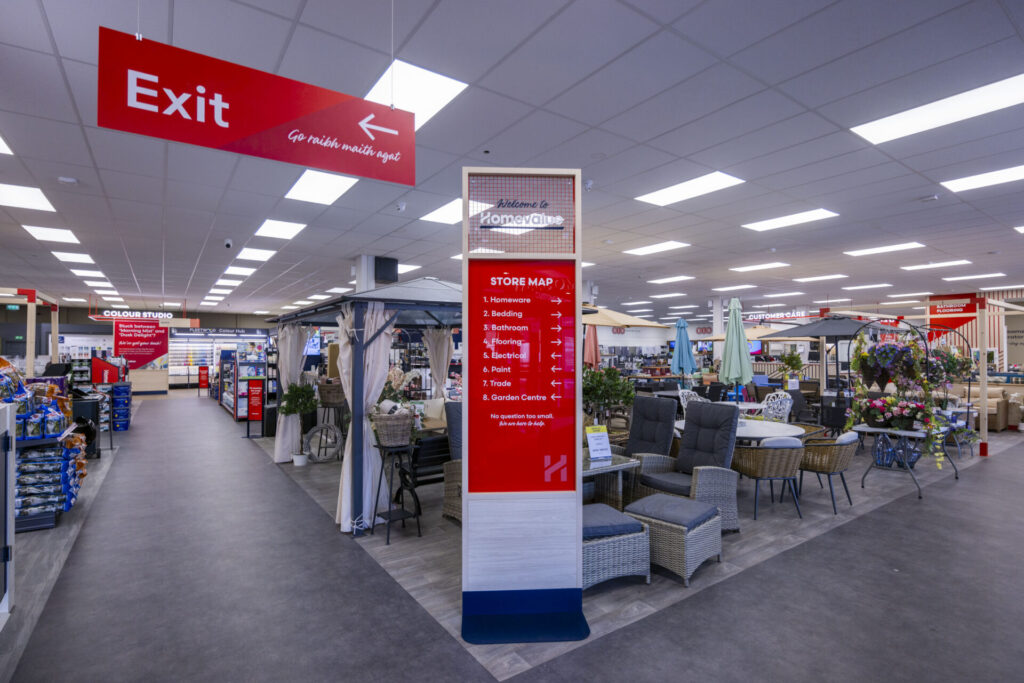
Retail researcher Herb Sorensen found that shoppers don’t move methodically through a store. Instead, they scan the environment for visual cues that help them decide where to go next. That’s why clear sightlines and visible destinations matter so much.
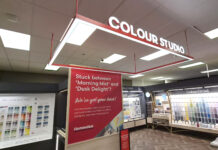
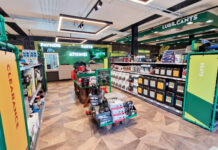
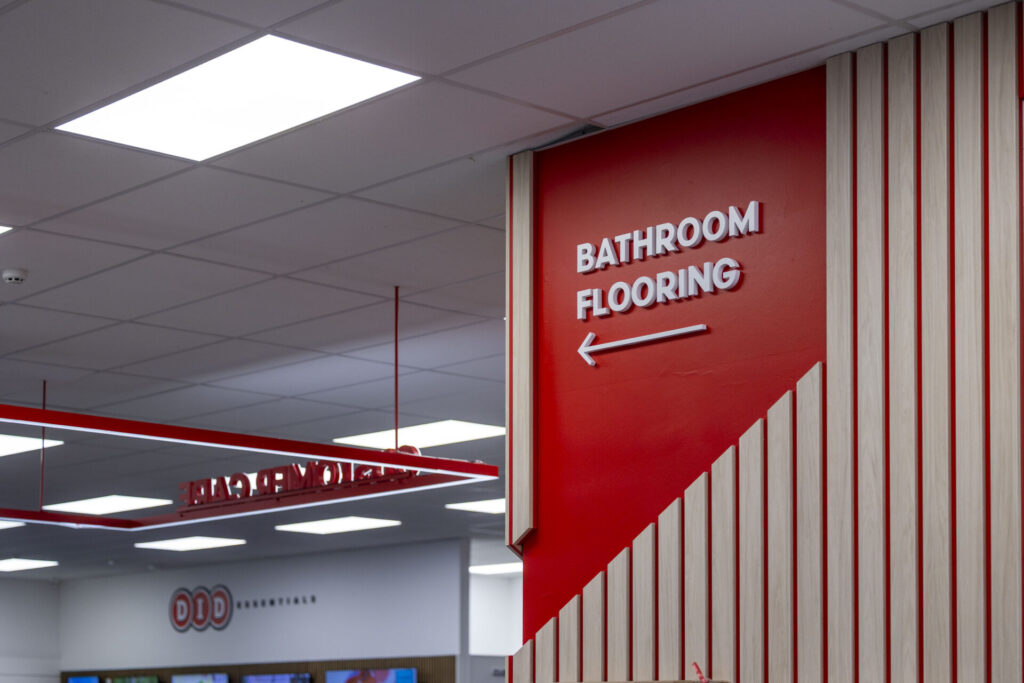
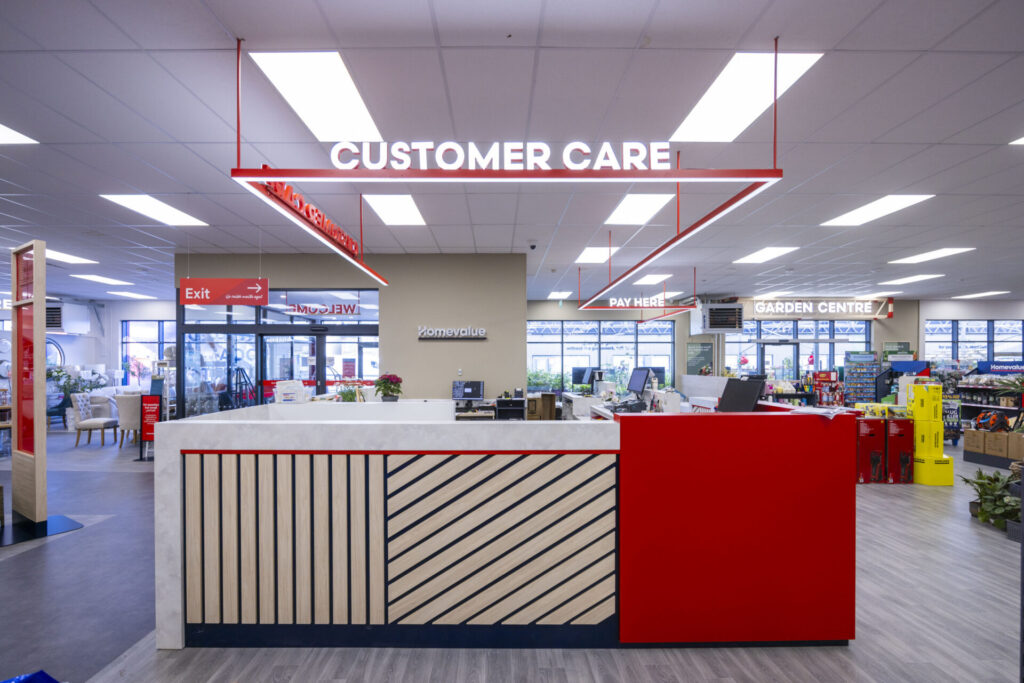
At Ferdia Homevalue, a distinctive red overhead framework identifies every key service area, from the Trade Counter to the Paint Studio. It acts as a consistent visual cue, helping customers instinctively locate expertise throughout the store while allowing staff to acknowledge customers as they arrive. The result is a shopping experience that feels more intuitive from the moment customers walk through the door.
The lesson is simple. Try looking at your own store through the eyes of someone who’s never visited before. The experience may be very different from the one you see every day.
Customers Aren’t Looking for More Choice. They’re Looking for Confidence.
Independent hardware stores are proud of their product range, but customers rarely arrive hoping to compare twenty similar products. More often, they’re looking for confidence that they’re choosing the right one.
Psychologist Barry Schwartz explores this idea in his book The Paradox of Choice, arguing that while people value having options, too many choices without clear structure can make decision-making more difficult. The answer isn’t to reduce your range. It’s to organise it. Logical product groupings, clear category planning and accessible advice all reduce the mental effort required to shop. Customers feel more confident because the environment helps them make decisions one step at a time. Good retail design doesn’t reduce choice. It increases confidence. When customers feel confident, they’re more likely to browse, seek advice and leave with the right solution for their project.
The Best Stores Encourage Discovery
One of the most enjoyable parts of shopping is discovering something you didn’t know you needed. The best retail environments create these moments naturally, without making customers feel they’re being sold to.
Think about a customer buying exterior paint. Positioning brushes, masking tape and dust sheets nearby isn’t simply about increasing basket spend. It’s about helping them complete the job successfully. The same thinking can be applied across every department, creating a shopping experience that feels helpful rather than promotional.
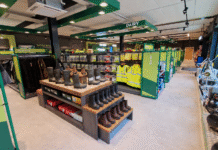
Good design also recognises when less is more. Not every wall needs a promotion and not every aisle needs supplier graphics. Stores that are visually calmer are often easier to shop in because customers can focus on what matters most. At Ferdia Homevalue, the customer journey has been designed around a series of visual focal points, destination displays and clearly defined departments that naturally guide movement through the store. Seasonal inspiration at the entrance and a welcoming transition into the Garden Centre encourage customers to explore beyond their original shopping list without disrupting the overall journey.
Great Retail Design Should Feel Invisible
When we begin a retail design project, we don’t start with colours, fixtures or signage. We begin by understanding people. How do customers move through the store? Where do they hesitate? What gives them confidence? How can we make shopping easier?
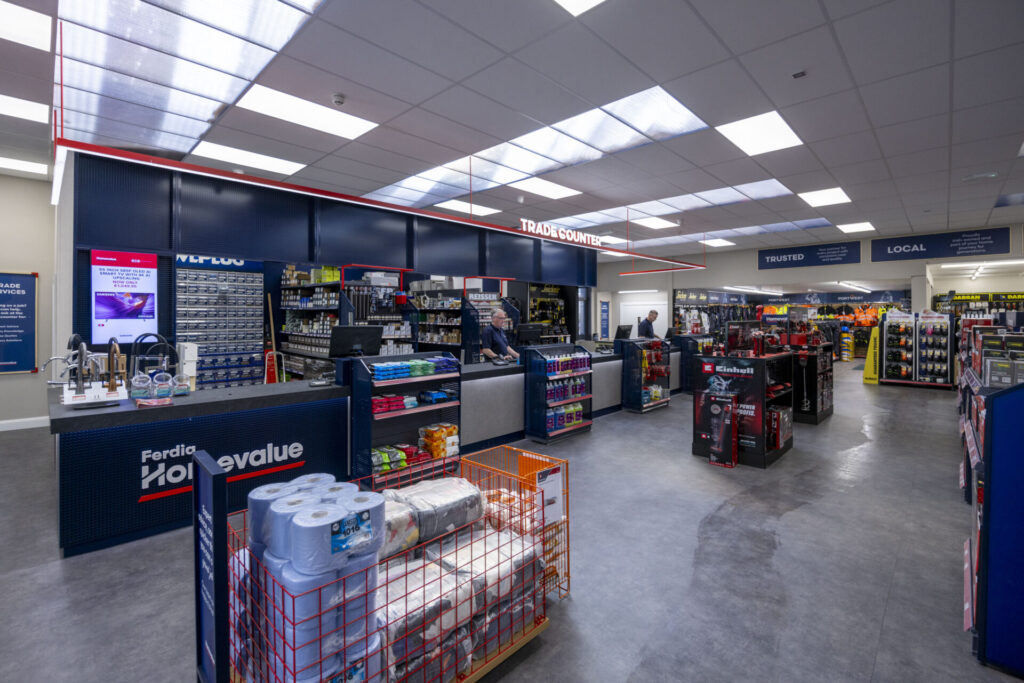
At Ferdia Homevalue, the Trade Counter was positioned as a highly visible destination, providing trade customers with a direct route to expert advice and supporting a faster, more efficient shopping journey. The psychology of an easy-to-shop store is simple: help customers know where they are, find what they need and discover what they didn’t know they wanted.
When customers stop noticing the design, it’s usually because it’s doing exactly what it should. Your store becomes more than a place to buy products; it becomes a place people trust and want to return to.

Peter Rigney is Founder and Creative Director of Rigney Forge, a retail design studio based in Co. Westmeath. With experience across hardware, grocery, garden centres and hospitality, Peter and his team specialise in creating high-performing retail environments that combine commercial strategy with strong brand identity. Rigney Forge works with independent and multi-site retailers across Ireland, helping businesses modernise and strengthen their instore experience through structured, insight-led design.
Peter can be contacted at Peter@rigneyforge.ie or visit www.rigneyforge.ie for more information.