Wavin HepvO: The Compact Solution For Unvented Hot Water Cylinders
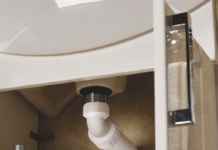
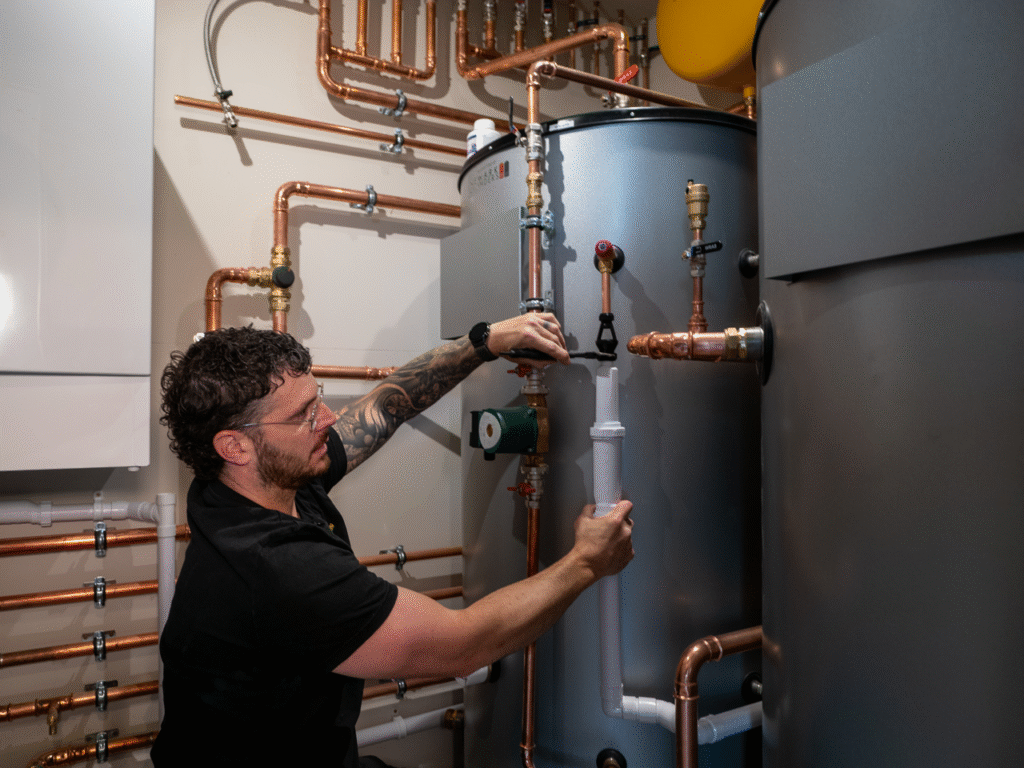
Used with the Tundish Adaptor, the Wavin HepvO waterless waste valve provides a safe, compliant connection from an unvented hot water storage cylinder discharge pipe to internal sanitary pipework. This system directly connects to the temperature and pressure relief valve (TPRV) while preventing foul odours and gases from entering the building.
For installers, this provides a simpler, quicker and more cost effective alternative to creating a long drainage run to an external discharge point.
HepvOs advantage
The key advantage is HepvO’s waterless design. Traditional water traps rely on standing water to create a seal and are not suitable for connection to the soil stack in this application, as the seal can be lost through evaporation during periods of infrequent use.
HepvO uses a self-sealing membrane instead. It opens when water passes through and closes afterwards to form an airtight seal. As it does not rely on water, it will not lose its seal during long periods of inactivity and can be installed within the drainage run to help protect against foul gases returning through the system as a result of back pressure.
Designed for compact installations
Its slim, inline design is another practical benefit. Space around an unvented cylinder is often limited, particularly in hot presses, utility rooms and service areas. HepvO’s compact form makes it easier to install without adding unnecessary complexity.
A straightforward solution for merchants
For this application, merchants can offer the#Wavin HepvO Tundish Adaptor Kit BV1/21, which includes a 32mm HepvO BV1 valve and tundish adaptor. A QR code on the packaging also provides quick access to installation guidance, giving installers the information they need on site.
This application highlights HepvO’s versatility.
It is not simply a space-saving bathroom solution; it can also help solve a practical installation challenge around unvented hot water cylinders*.
*Unvented hot water systems must be installed by certified and qualified installers.
For more information, visit www.wavin.ie
Pipelife Obtains EPDs for its Qual-Pex Plus+ Pipe Range
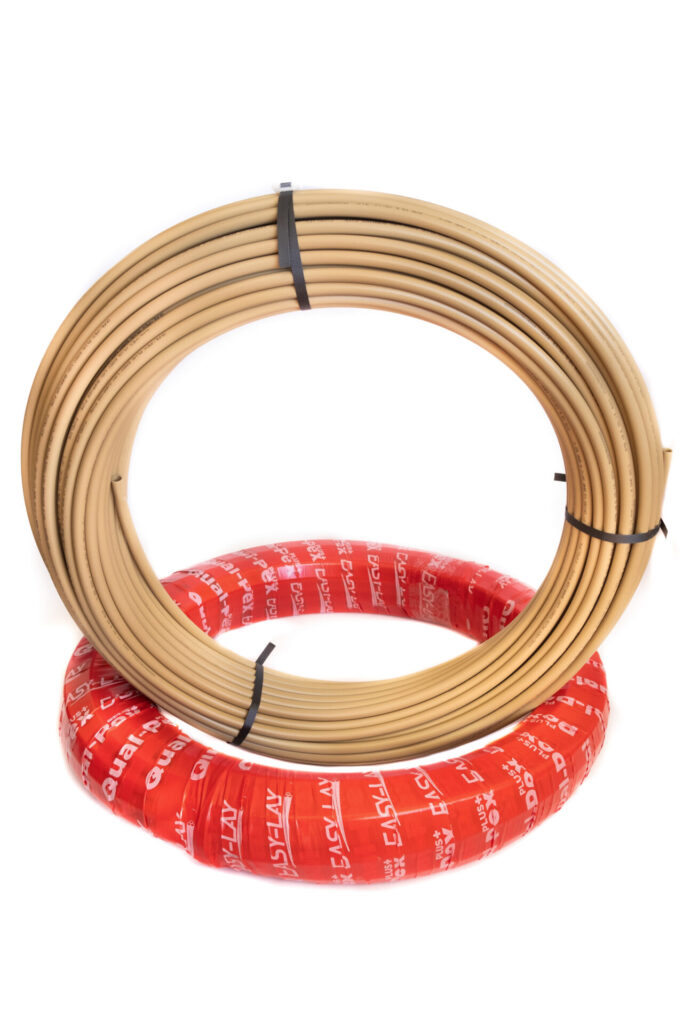
Leading pipe manufacturer Pipelife Ireland has gained Environmental Product Declarations (EPDs) for its Qual-Pex Plus+ ‘Easy Lay’ pipe range – making them the first Irish-made pipes to have independently-verified embodied carbon data.
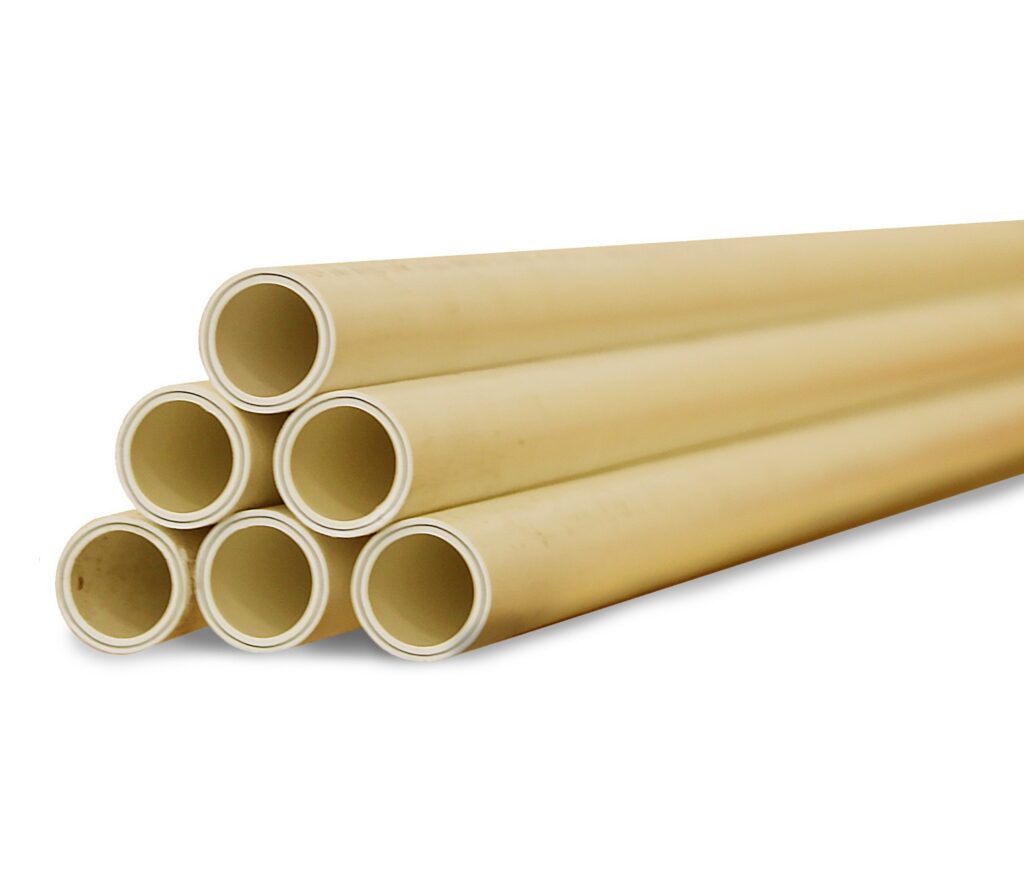
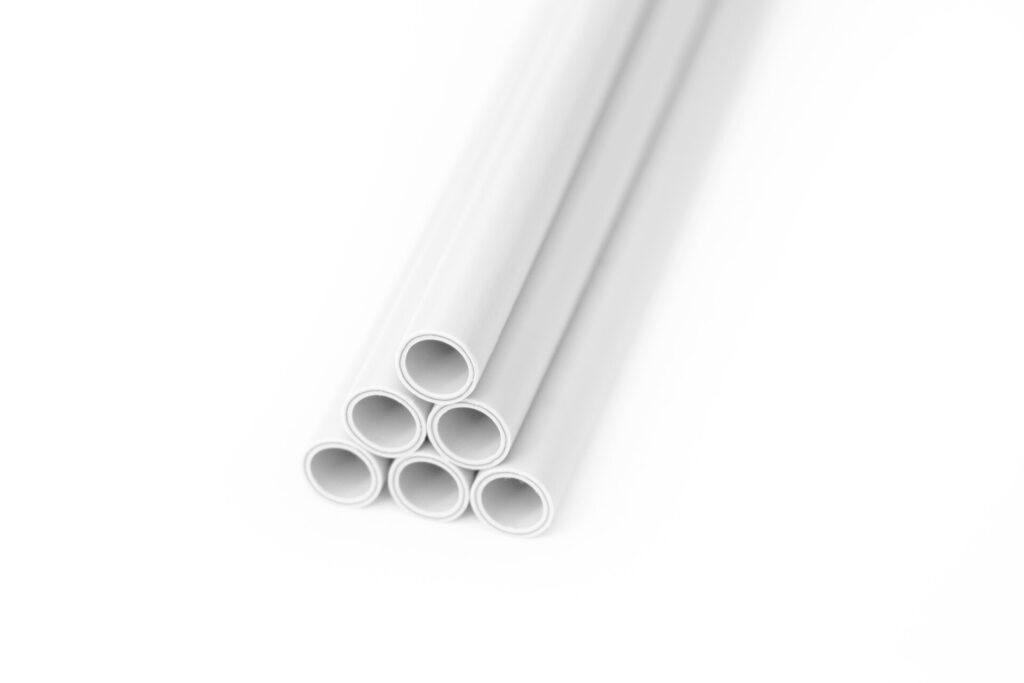
A high-performance, multi-purpose piping system, Qual-Pex Plus+ is engineered for reliable distribution of hot and cold water, central heating, and underfloor heating, designed to last for a building’s whole life – and therefore reduce the building’s whole life carbon impact. Pipelife’s decision to obtain EPDs for all seven sizes of its Qual-Pex Plus+ pipe range comes as larger developers and public bodies face obligations to calculate and reduce the embodied carbon of buildings – with the rest of the industry set to follow imminently as new EU rules take hold.
Conor Manning, Managing Director of Pipelife Ireland said: “Securing EPDs for our entire Qual-Pex Plus+ pipe range reflects our commitment to supporting developers and = public bodies as they work to measure and reduce the embodied carbon of buildings. It ensures that Pipelife continues to stand firmly behind our customers as embodied carbon reporting becomes a compulsory requirement across the industry under new EU directives.”
Building Council chief executive Pat Barry congratulated Pipelife, saying: “It is fantastic to see leadership in Irish manufacturers reacting to the imperatives of the EPBD and producing the data that will be needed in the coming years through production of verified EPD. It is particularly exciting to see data for components used in building services as this is one of the largest data gaps in whole life carbon assessment and we need more manufacturers to provide this data.” Policy changes such as the EU taxonomy on sustainable economic activities, the Corporate Sustainability Reporting Directive and the 2024 revision of the EU Directive on the Energy Performance of Buildings are placing pressure on building material manufacturers to produce reliable, independently-validated data on the embodied carbon of their products.
Meanwhile in September the government’s low carbon construction procurement guidelines came into effect – including a requirement to conduct whole life carbon assessments on new buildings above certain budget thresholds, based on a new Life Cycle Global Warming Potential Calculation Methodology published by the Sustainable Energy Authority of Ireland. The requirement also applies to infrastructure projects above certain budget thresholds.
To enable accurate whole life carbon calculation, product-specific EPDs are the gold standard. The seven Qual-Pex Plus+ EPDs are published on EPD Ireland, a national platform set up by the Irish Green Building Council (IGBC) to enable Irish manufacturers to create EPDs for their products and verify them to Product Category Rules (PCR) created for Ireland. These PCRs provide specific, localised rules for various categories of construction products, enabling meaningful comparison between products on the Irish market.
The EPDs were created to EN 14508+A2 based on life cycle assessments by Dutch experts EcoReview Netherlands, and verified by third party verifier Stephen Forson, who was independently appointed by the IGBC from its panel of highly accredited EPD and LCA experts.
Why whole life carbon matters
The whole life carbon emissions of buildings are responsible for almost 40% of global carbon emissions, with 28% coming from operational energy use, and 11% from embodied carbon, according to the World Green Building Council. Operational carbon emissions are falling due to tightening regulations, the decarbonisation of electricity and fossil fuel boilers being replaced with heat pumps, a cumulative shift which means the emphasis must start to shift to embodied carbon too.
Consequently, embodied carbon has moved from obscurity to centre stage in Irish construction, due to new rules which mandate the calculation of the embodied carbon of buildings – including building services and all other construction materials used. While the second building services product of any type to be under the revised Energy Performance of Buildings Directive, it will be mandatory to calculate the whole life carbon of all new buildings of 1000m2 or more by 2028 – and all new buildings by 2030. Data on the embodied carbon of building services is relatively lacking, with some studies suggesting services can represent anything from 10 to 40% of the whole building total.
While Qual-Pex Plus+ is made from polyethylene, a form of plastic, it has a number of environmental advantages over metal pipes. Compared to metal pipes, it offers significantly lower embodied carbon, it is corrosion resistant and comes with a 50-year guarantee. The Qual-Pex Plus+ EPDs include a 50-year reference service life. Ireland’s whole life carbon calculation methodology sets a reference study period for each building of 50 years – meaning calculations done with Qual-Pex Plus+ will therefore avoid projected emissions from replacement pipes.
What is whole life carbon?
It is all of the greenhouse gas emissions produced by a building – across its entire life cycle. It is made up of embodied carbon and operational carbon.
Embodied carbon includes emissions from manufacturing building materials, transport and construction, along with repair, replacement, maintenance and eventual demolition or – preferably careful deconstruction. Operational carbon comes from energy and water use during the building’s occupancy. When you put together embodied carbon and operational carbon, you have whole life carbon.
Hot Water Storage for Modern Heat Pump Systems
As modern heat pump systems continue to evolve, research and development is increasingly focused on the performance of the complete heating system rather than individual products. Heating system performance is no longer determined by the heat pump alone. Instead, manufacturers including Grant are developing integrated heating solutions, with every component designed to work together to deliver efficient, reliable heating solutions.
For installers and specifiers, this means moving beyond selecting individual products and considering the heating system as a complete solution. The heat pump, hot water cylinder, controls and overall system design all play an important role in delivering the efficiency, reliability and comfort expected by homeowners.
With this integrated approach in mind, Grant has recently launched its new Quick Recovery Hot Water Cylinder range. Designed and manufactured in Ireland, the range has been developed specifically for modern low-temperature heat pump systems and to complement the award-winning Grant Aerona R290 air source heat pump, helping installers and specifiers optimise the efficiency, reliability and overall performance of complete heating systems.
A key component within any modern heat pump system is the hot water cylinder. According to Keith Scully, Training Manager at Grant, cylinder design plays an important role in overall system performance. “The length, construction and surface area of the heat exchange coil, together with the quality of the insulation all contribute to how effectively the cylinder performs as part of a heat pump system.”
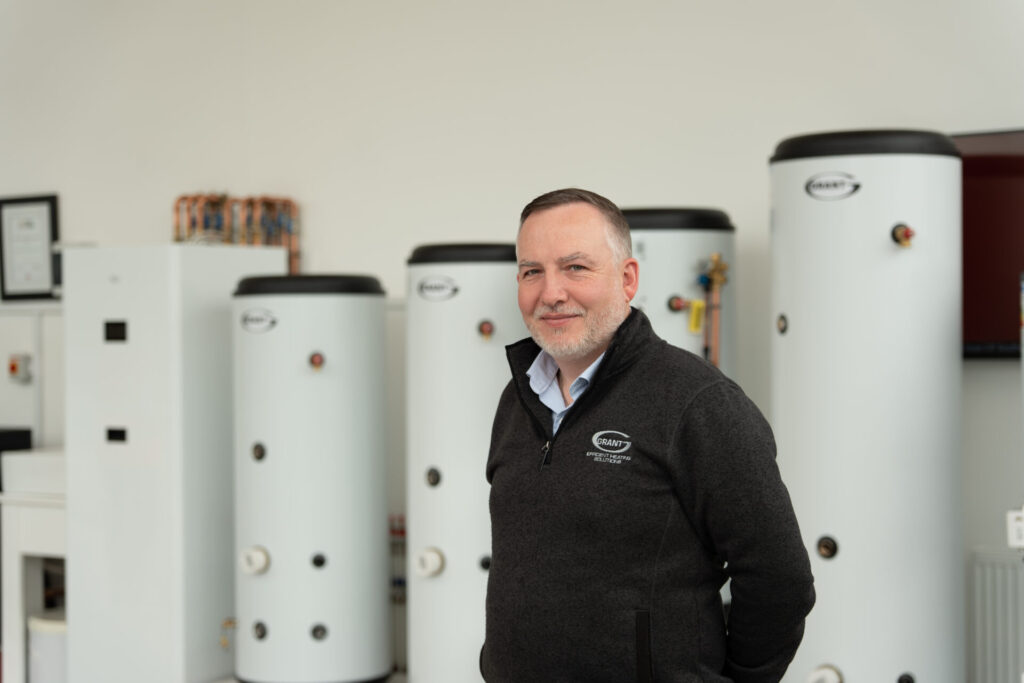
Developed specifically for low-temperature heat pump applications, the Grant Quick Recovery Cylinder range incorporates a high-performance DN25 stainless steel heat exchange coil engineered to maximise heat transfer and support rapid hot water recovery. Combined with an optimised internal design and high-performance insulation, the cylinders help minimise standing heat loss while supporting efficient system operation.
Ease of installation was also a key consideration throughout the development of the range. Practical installer-focused features have been incorporated to simplify handling, positioning and system integration, while Smart pre-plumbed models include factory fitted components to help reduce installation time and support consistent system set up. Feedback from installers and electricians also helped shape the design, with particular emphasis placed on ease of installation, servicing and long-term reliability.
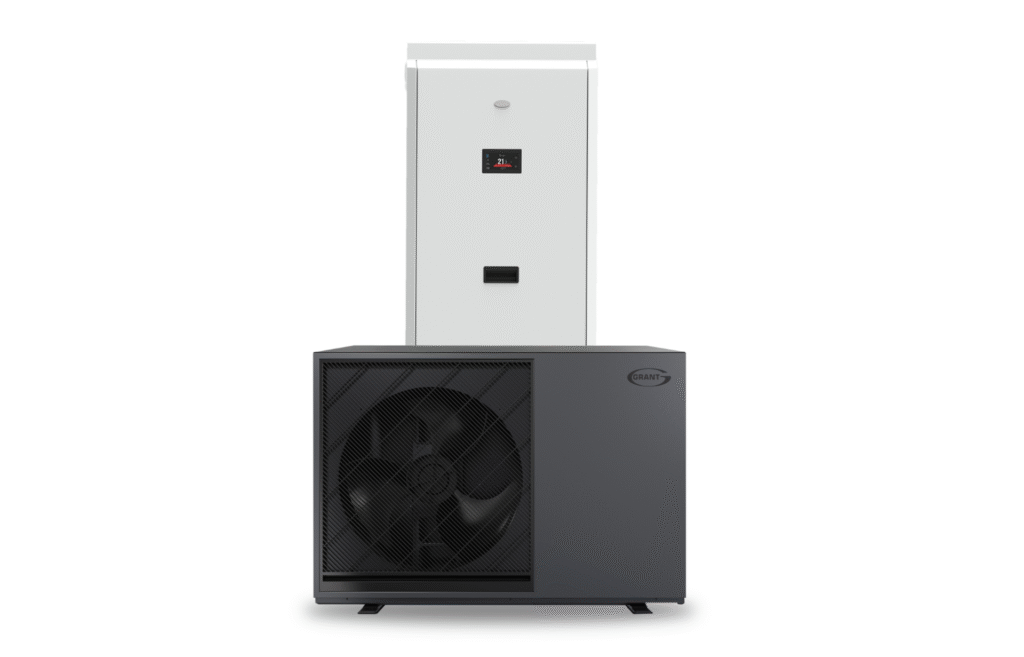
As the heating industry continues its transition towards renewable technologies, the importance of a complete system approach will only increase. By designing heat pumps, hot water cylinders and controls to operate together, manufacturers can help installers and specifiers deliver heating solutions that meet the demands of both today’s homes and future heating requirements.
Grant’s investment in new cylinder technology and expanded manufacturing capability reflects this wider industry movement supporting installers and specifiers with heating products designed to optimise system efficiency, reliability and long-term performance.
Visit www.grant.ie for more information on Grant’s range of innovative heating solutions. Follow Grant on Facebook @GrantIRL, Instagram @grant_irl, LinkedIn @GrantEngineeringULC and YouTube @GrantengineeringIE