Buildings constructed prior to 1945 are traditionally built which generally means they are constructed of a solid wall and porous building materials such as stone, brick or early concrete. As a result, their structure allows moisture to be absorbed and released. Since WW2 cement has been commonly used in construction and cement render or cement pointing was used on or in porous building materials often in an effort to address damp or leaks. However, cement being non-porous, stops moisture being released. So, if in a typical pre 1945 house a porous wall is sandwiched in non-porous cement this almost always ensures that any moisture moving through the structure gets trapped, causing an epidemic of moisture-related problems. This can contribute to the deterioration of many of these buildings.
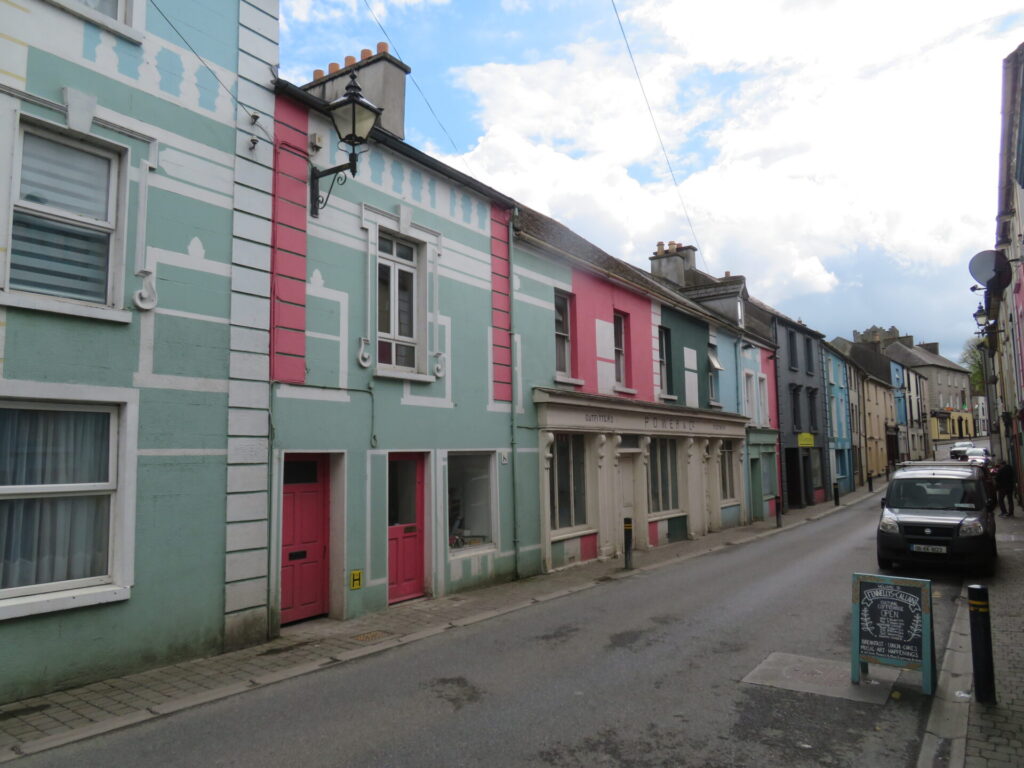
And a new threat has now arisen. The introduction of “Energy Efficiency Measures” is adding to this problem by recommending a closed insulation to the external faces of our older buildings. This mimics the cement issue and exacerbates the moisture related challenges.
This maladaptation of older buildings creates mold and other biological growths making some buildings at best expensive to rejuvenate and at worst making some completely unhabitable.
The recent “Living over the Shop” initiative while very welcome is going to put more pressure and risk of maladaptation on buildings which are typically pre-1950’s.
Some of the additional challenges in the “living over the shop” concept are access, fire exits (an occupant cannot simply walk through a shop to get to their home upstairs), noise and fire protection.
So, what can we do?
Understand your Building.
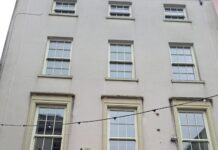
Firstly, it is important to know and understand the age of your building and whether it is traditionally built and of what materials. Many of our town & village centres are Georgian or Victorian which means they are centuries old. These buildings were originally well constructed, but they may have seen changes introduced over the life of the building which may or may not be good for the original building fabric.
It is a myth that heritage or traditional built buildings are often impossible to energy upgrade, renovate and/or are more costly. We need to break the myth and misinformation and put forward a practical, cost effective and sensible approach to refurbishing and improving the energy efficiency and comfort of these empty homes turning them into comfortable living homes. This will have a positive consequence by improving the number of people living in our towns, villages, and city centres – reducing homelessness – creating more affordable homes while reducing and meeting our low carbon commitment.
Sustainable Approach
Empty homes, whether an individual building, part of a larger complex or a vacant premises over an empty or a working shop can be easily and successfully converted to suitable and comfortable homes. A holistic approach using suitable and compatible materials can achieve this effectively and affordably.
Of course, there are issues particularly with living over the shop. Many of these buildings are two or more storeys over ground which introduces conservation, universal access, reasonable energy retrofit and fire considerations. It is necessary that the related enforcement bodies under the auspicious of the Department of Housing Local Government & Heritage be brought together to identify a satisfactory approach and a set of solutions could be worked out to release this enormous potential to produce new homes while adaptively reusing.
Some Simple Suggestions
When evaluating a suitable candidate building:
- Have a proper professional assessment made of the current condition, performance, and heritage significance of the building.
- This professional should give a holistic approach to renovating the building to a satisfactory level and with compliance.
- The professional should be able to guide you to the available grants through either conservation, empty homes, and/or energy grants/above the shop. There are many grants available which help towards the costs involved.
- Choose a builder that has experience in working with older traditionally built buildings.
- Sequence the tasks to ensure ongoing damage is arrested and then, as the building begins to dry the real work of renovation can begin.
- Retain the professional as they will keep the project on track and on budget.
- While BER values are an important aspect of our drive towards energy efficiency, the most important thing is to improve the existing value rather than aim for the highest.
Research shows that the envelope of a building can be improved by a minimum of 30% with a good heat loss indicator, a heat pump will work and this alone should achieve a very comfortable and economic new home.
Carbon
A study some years ago showed that by taking this simple approach to renovating traditionally built homes the reduction in our CO2 emissions will be significant. Most traditionally built buildings are from the pre-1960’s therefore the embodied carbon from the original construction is at neutral (i.e., it has “stored” carbon over so many years that its carbon “debt” is paid). Demolishing that building and building a new one to the same size, footprint and volume will take 63 years to pay back the carbon from the disposed embodied carbon and the carbon cost of building a new build using modern high-carbon building products.
We in the construction sector should be aiming to reduce our carbon footprint, which stands at 40% of the world’s carbon emissions.
Education & Skills
There is a need to educate all professionals, construction workers, building owners and building managers to understand the correct methods of renovating our existing empty homes into comfortable and liveable spaces. This will go some way to reducing the housing crisis, giving life back into our villages, towns, and city centres which in turn will regenerate into the commercial centres they once were.
There is even a greater need to upskill all elements of the construction workforce. They need to understand traditionally built buildings, to learn how to conserve traditional skills, to choose and use low carbon solutions where possible and to achieve a realistic level of energy efficiency whilst not compromising or putting at risk the original fabric of the buildings. As a process this solution will safeguard the health of future occupants of these buildings.
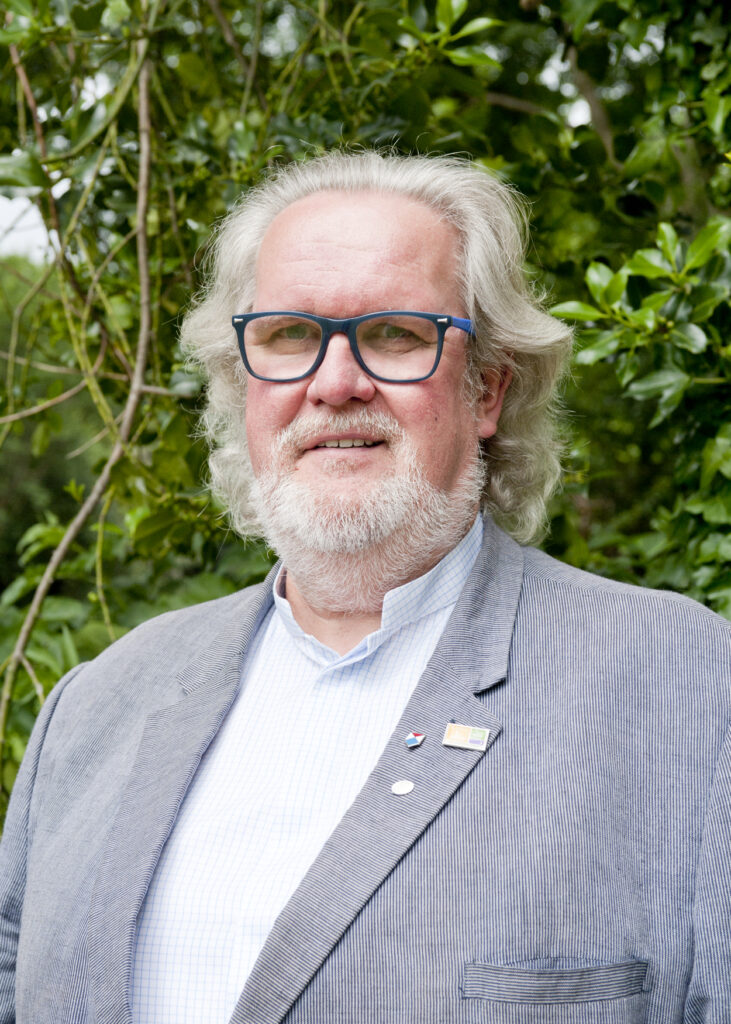
Peter Cox FRSA, Carrig Conservation International Limited.
Peter Cox is the founding member of Carrig Conservation International Limited and has gained over thirty-five years international experience of stone conservation in historic buildings and all types of porous building materials. He has a primary degree in Chemical Engineering and a masters in material science and has worked in the analysis of decay of masonry, the treatment of stone and mortar in conservation of historic buildings.