Surface protection rarely gets the attention it deserves, right up until something goes wrong. A scratched
floor discovered at handover, paint splashes across newly fitted carpets, mud and dust tracked through finished rooms by multiple trades all racing the same deadline. It’s a familiar story across construction and DIY alike.
And the real cost goes far beyond the repair itself. There’s the delay to completion, the difficult conversation with the customer, the need for return visits and replacement materials, and the pressure of putting things right at the very end of a project, when time and budget are already stretched.
For years, surface protection on site was often improvised, an old cotton dust sheet, leftover cardboard, a few sheets of newspaper, or whatever happened to be in the van that morning. And in many cases, that approach just about did the job.
Today’s builds, however, are a different story. Modern properties feature higher value materials, tighter tolerances, and finishes that mark, scratch, or stain far more easily. What once passed as “good enough” protection is now far more likely to fall short, leaving surfaces exposed and projects vulnerable to costly last-minute damage.
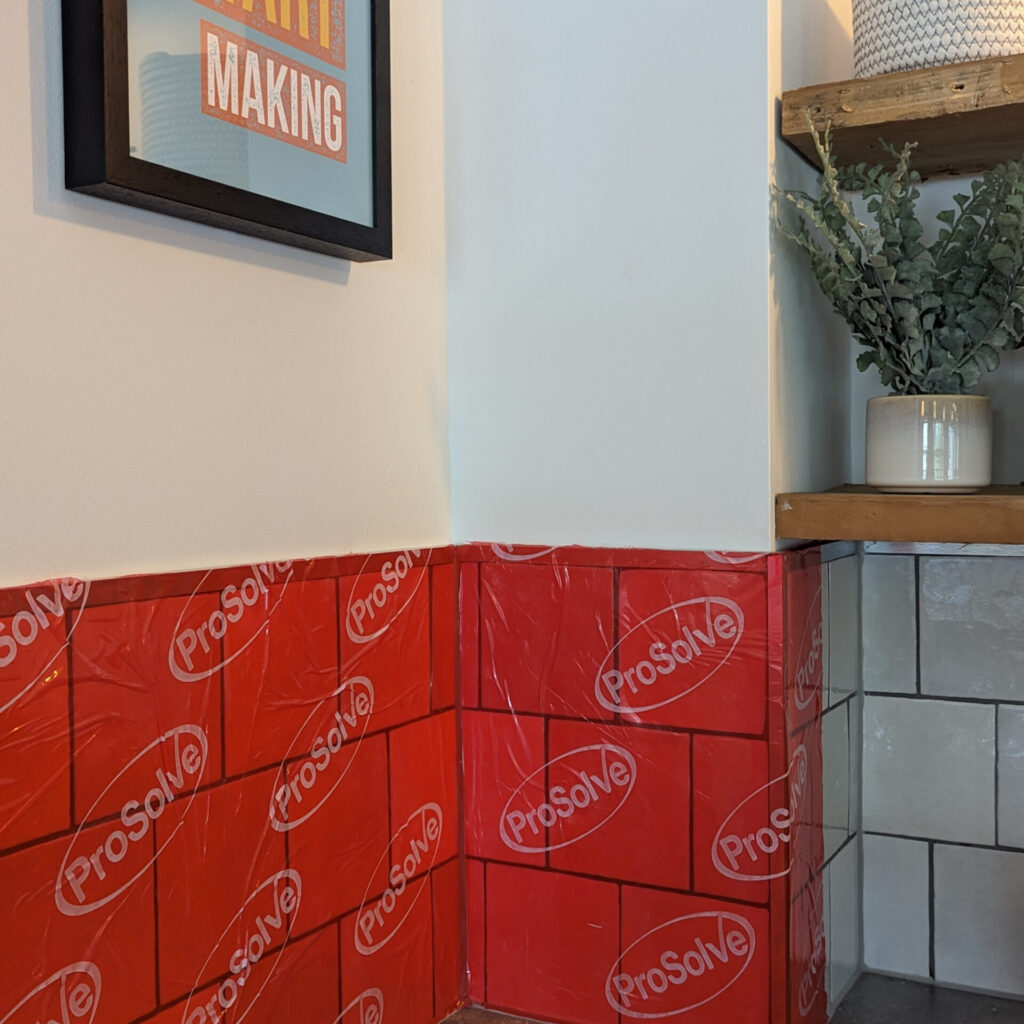
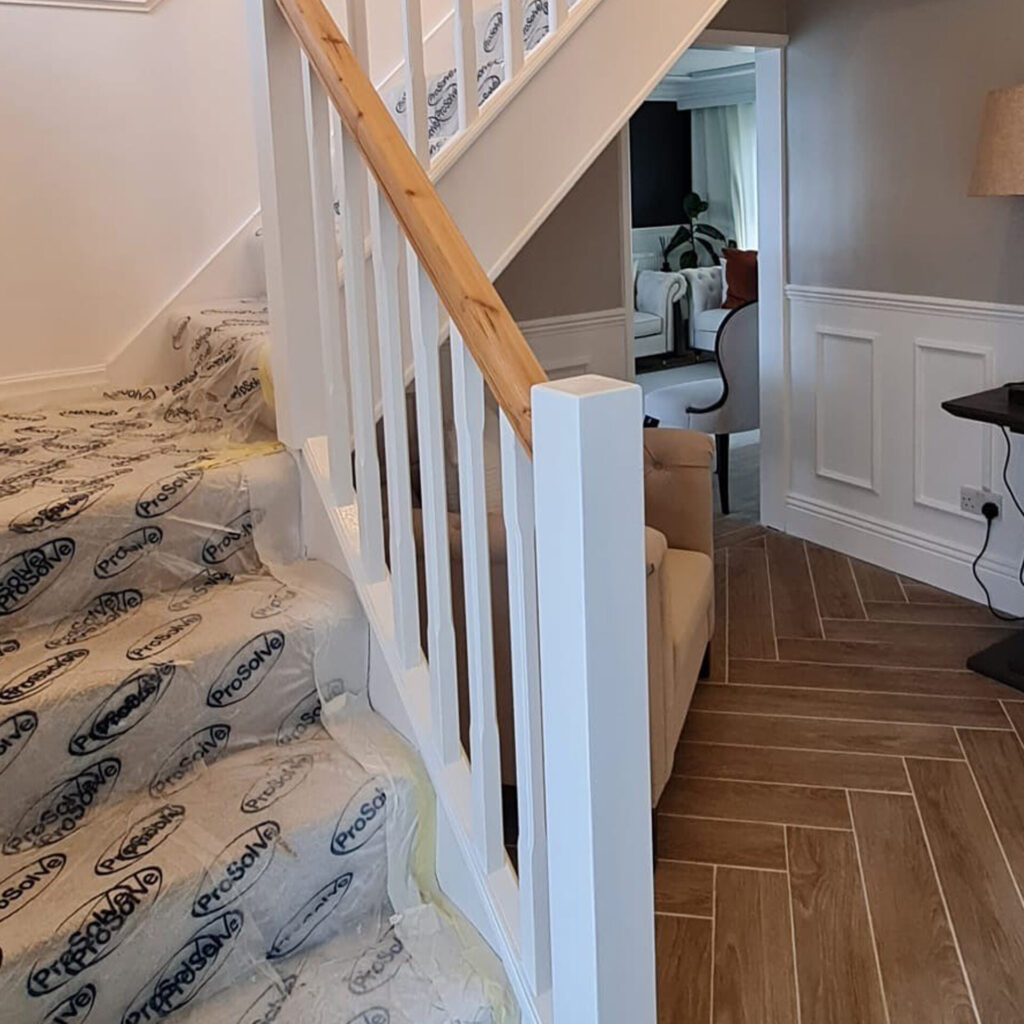
Walk onto modern projects now and you’ll see protective films covering carpets, hard floors, windows, doors and countertops from relatively early stages in the project right through to final handover.
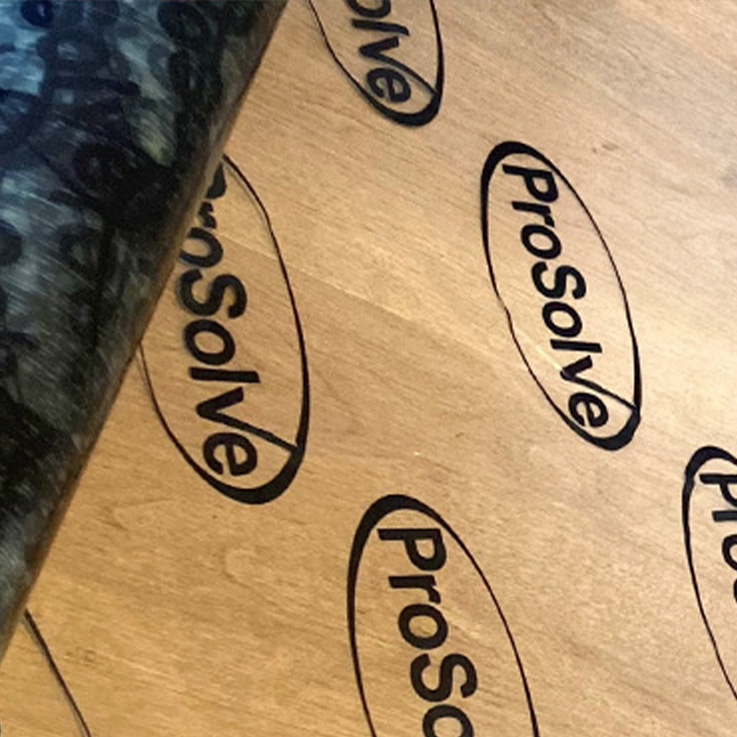
Carpet protection films have become particularly common during decoration, and final fit-out stages, especially in residential work where completed rooms often remain exposed while work continues elsewhere in the property. Hard surface protection films serve a similar role across timber flooring, tiles, laminates, vinyl surfaces and stairs / walkways.
Glass and window protection has become increasingly important, modern glazing is costly to replace, and even minor scratches can lead to expensive issuses. Protective films help minimise that risk while still allowing light into working areas.
Where flexibility is key, multi-surface protection products have gained traction. Many contractors now opt for a single solution that can cover countertops, cabinets, appliances, tiles, and finished fittings, rather than carrying multiple products.
In terms of the wider commercial opportunity for builders’ merchants, surface protection products tick a number of important boxes. They are compact, easy to stock, and relevant across a wide range of trades, from decorators and flooring installers to kitchen fitters, window installers, plumbers, general builders and maintenance teams. Crucially, they also drive repeat purchases throughout the lifecycle of a project, rather than being treated as a one-off capital spend.
To learn more about ProSolve’s range of surface protection films, checkout www.prosolveproducts.com or contact their team enquiries@prosolveproducts.com